
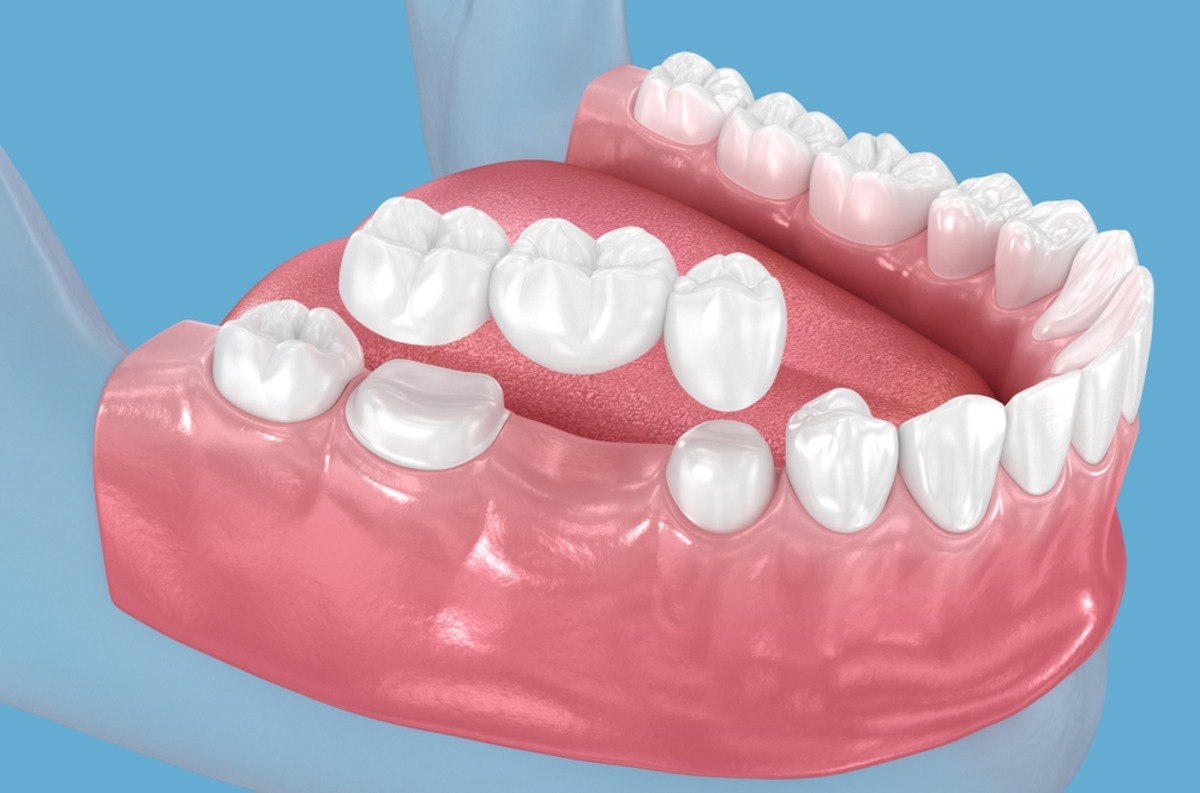
A dental bridge is used to replace missing teeth and fill the gaps in your smile. It uses artificial teeth that are held in place by nearby natural teeth or dental implants. A well-fitted bridge can help you chew, speak, and smile more comfortably. Its comfort and appearance depend on the type of bridge, your bite, the health of your gums, and how well you care for it. Consulting with a dentist near you can help you understand how a dental bridge is made, how it is fitted, and whether it is the right choice for your missing teeth.
What A Dental Bridge Does
A bridge fills a gap with artificial teeth called pontics. Traditional bridges use crowns on neighbouring teeth for support; other designs may attach to one tooth or dental implants. The choice depends on the gap’s location, supporting teeth, gum health, and bite.
Dental bridges in SE Calgary can help restore chewing and support clearer speech. It may also reduce nearby teeth drifting into the gap. The supporting teeth and gums still need daily care.
Adjusting To The Feel Of A Dental Bridge
A new bridge may feel unfamiliar at first. Chewing, speaking, or the way your tongue rests may feel different while you adjust. However, the restoration should fit securely and allow your teeth to meet comfortably.
Mild awareness often improves, but persistent pain should not be ignored. A bridge that feels too high, rocks, rubs the gums, or hurts when biting needs assessment. An adjustment may help; looseness or ongoing sensitivity can indicate a problem with the bridge or supporting tooth.
During the fitting, the clinician should check how the bridge contacts opposing teeth and confirm that it does not press on the gums. Mention any unevenness, as small fit issues may be easier to address early.
Planning A Natural-Looking Result
A bridge is designed to complement nearby teeth. The clinician considers shade, shape, size, gumline, and the amount of the restoration that shows when you smile. Material and design depend on the tooth being replaced, chewing forces, and your preferences.
Shade selection matters because bridge materials do not whiten like natural enamel. If you are considering whitening, discuss timing before the bridge is made. Existing crowns, veneers, or fillings can also affect colour matching. A close match may be possible, but results vary with the starting conditions and material.
The final appearance also depends on gum health. Inflamed or receding gums can change how the restoration meets the gumline, so any existing gum concerns should be addressed before treatment begins.
What To Discuss Before Treatment
A traditional bridge may require reshaping neighbouring teeth; an implant-supported option involves surgery and a healing period.
Before deciding, understand:
- The recommended bridge type and why it suits your mouth
- Benefits, risks, alternatives, and estimated costs
- How to clean beneath the artificial tooth
- Treatment timing and follow-up needs
Depending on your oral health and preferences, an implant-supported crown or removable partial denture may also be suitable. Each option has different limitations and care requirements.
The design also affects how easily you can clean around the restoration, especially near the gumline. If you’re looking for dental bridges near you, understanding these details before treatment can help you maintain the bridge comfortably.
Keeping Your Bridge Comfortable Over Time
Daily cleaning protects the bridge and supporting teeth. Brush twice daily with fluoride toothpaste, clean along the gumline, and use a floss threader or bridge-cleaning aid beneath the artificial tooth. Avoid sharp objects that could injure the gums.
A dental clinic in SE Calgary can check the fit, gums, supporting teeth, and bite during regular visits. Arrange an assessment if the bridge becomes loose, repeatedly traps food, develops a rough edge, or hurts. Regular visits may identify changes before discomfort or damage develops.
Choose A Bridge That Suits Your Smile
A well-planned bridge can restore function and blend with nearby teeth, but the right choice depends on your oral health, bite, and goals. A consultation can clarify the expected appearance, adjustment period, and care involved.
Schedule a consultation with Glenmore Family Dental Care to discuss your tooth-replacement options.
FAQs
Are dental bridges comfortable?
Many people adjust to a well-fitted bridge within days or weeks. It may initially feel different when chewing or speaking. Persistent pain, an uneven bite, or movement should be assessed.
Do dental bridges look like natural teeth?
A bridge can be made to match nearby teeth in shade, shape, and size. Results depend on the material, surrounding teeth, gumline, and anatomy. Bridge materials do not whiten like natural enamel.
How long can a dental bridge last?
With daily cleaning and regular dental visits, a bridge may last about ten years or longer. Lifespan depends on material, bite forces, hygiene, and supporting teeth. Damage or decay may require repair or replacement.
How do I clean underneath a dental bridge?
Brush twice daily and clean beneath the replacement tooth with a floss threader, super floss, or another recommended tool. This helps remove plaque and food debris a toothbrush may not reach.