
Have you ever lost a tooth? When a person loses a baby tooth, it is exciting. A new tooth will grow back soon. But when an adult tooth goes missing, it does not grow back. Leaving a space in the mouth can cause big problems. It changes the way a person smiles, eats, and speaks. Going to a professional dental clinic in SE Calgary is the best way to fix this issue. Dentists see this problem every day. A missing tooth is not just a cosmetic problem. It affects the whole body. Here is why keeping all adult teeth is very important for overall health.
How Losing Teeth Affects Your Jawbone and Facial Structure?
Many people do not know that teeth help keep bones strong. Every time a person chews food, the roots of the teeth press into the jawbone. This pressure tells the body to send nutrients to the bone. It keeps the bone healthy and thick. When a tooth is gone, the bone under the space stops getting that exercise. The body thinks the bone is no longer needed. The jawbone begins to shrink. Dentists call this process bone resorption. As the jawbone gets smaller, the face begins to change shape. The cheeks can sag inward, making a person look much older than they really are. The distance between the nose and the chin gets shorter. This happens because the bone structure is fading away.
The Hidden Health Problems of Missing Teeth
The mouth works like a system where every tooth has its own role. Front teeth help bite food, while back teeth help crush and grind it. When one tooth is missing, the balance gets disturbed and the remaining teeth have to take extra pressure to do the same work.
Teeth Movement and Alignment
Teeth like to touch their neighbours. When there is a big gap, the surrounding teeth start to tilt and shift into space. Teeth from the opposite jaw can even grow longer into the gap. This shifting ruins the bite. It makes teeth crooked and harder to clean, which leads to tooth decay.
Difficulty Chewing Food
Chewing is the first step of digestion. If a person cannot chew healthy foods like apples, carrots or nuts, they stop eating them. Instead, they choose softer foods that are often less healthy. This can cause stomach aches and poor nutrition.
Jawbone Weakening
When a tooth is missing, the jawbone in that area does not receive normal pressure from chewing. Because of this lack of use, the bone can slowly become weaker and start to shrink over time. This may also affect the shape of the face and reduce support for nearby teeth.
Speech Changes
Teeth play an important role in helping form clear speech sounds. When teeth are missing, especially in the front area, it can become difficult to pronounce certain words correctly. Some people may notice a slight lisp or feel that their speech is not as clear as before.
Gum Health Problems
Gaps left by missing teeth can easily trap food particles and bacteria. If these areas are not cleaned well, it can lead to gum irritation, swelling and even gum disease. Over time, this may affect overall oral health and comfort.
The Ultimate Solution: Dental Implants
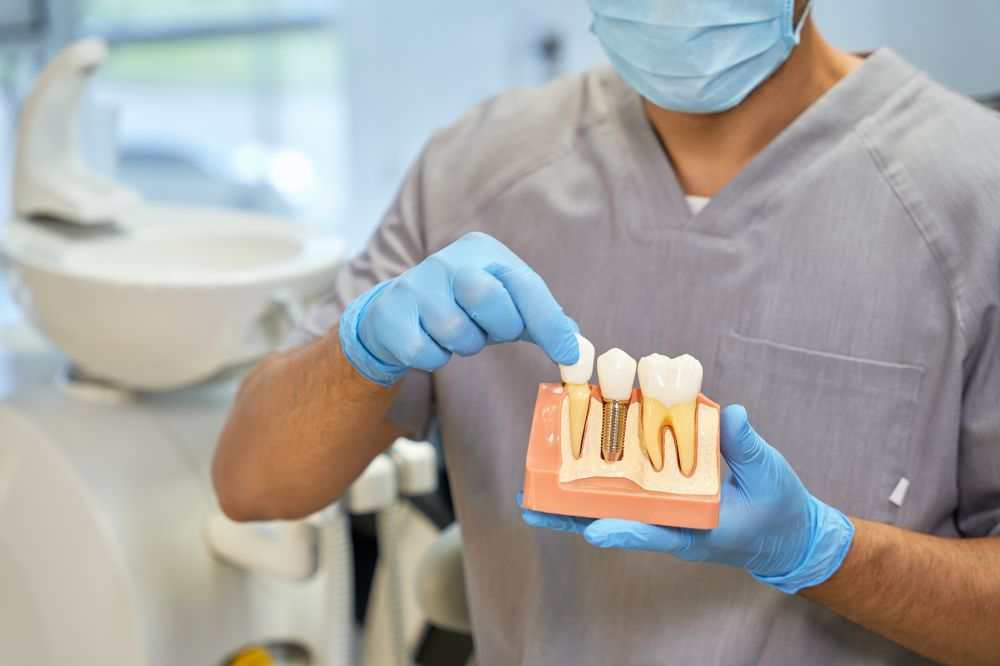
Thankfully, modern dentistry has a permanent fix for missing teeth. Dentists use dental implants in SE Calgary to replace the whole tooth, from the root to the top. An implant is a small post made of titanium metal. A dentist places it into the jawbone where the old root used to be.
Why Dental Implants Feel and Function Like Real Teeth
Other options, like removable dentures, sit on top of the gums. They can slip around when a person talks or eats. But dental implants become a real part of the body. Through a process called osseointegration, the jawbone grows tightly around the titanium post. It acts exactly like a natural tooth root. Once the bone heals, the dentist places a porcelain crown on the tooth. This new tooth looks identical to natural teeth. Because it is anchored deep in the bone, a person can bite down with full force. They can eat tough steak or crunchy apples without any fear.
Find a Professional Dentist Near You
Ignoring a missing tooth only makes the problem worse over time. The bone will continue to shrink, and nearby teeth will continue to move. Taking action early saves time, money, and pain. If there is a gap in your smile, look for a qualified dentist near you. A local professional can examine the jawbone using digital X-rays. They will create a custom plan to restore the smile. Finding quality dental implants near you is the first step toward a healthy mouth and a confident life.
Missing Teeth? Call Us Today!
At Glenmore Family Dental Care, we help patients replace missing teeth and improve their oral health. Our team provides personalized treatment options, including dental implants and other restorative services to help restore function, comfort and confidence. Call us today to schedule your appointment.
FAQs:-
1. How many teeth can a person lose before it becomes a serious health problem?
Even one missing tooth can start bone loss and shifting of surrounding teeth. Losing multiple teeth significantly increases the risk. It is best to consult a dentist as soon as a tooth is lost, regardless of how many are missing.
2. Are dental implants safe for everyone?
Dental implants are suitable for most healthy adults. However, patients with uncontrolled diabetes, active gum disease, or insufficient jawbone volume may need additional treatment before getting implants. A dentist near you can evaluate whether implants are right for your specific condition.
3. How long do dental implants last?
With proper oral hygiene and regular dental checkups, dental implants can last 20 to 30 years or even a lifetime. They are considered one of the most durable tooth replacement options available in a dental clinic today.
4. Does getting a dental implant hurt?
The procedure is done under local anesthesia, so most patients feel little to no pain during the placement. Mild soreness after the procedure is normal and usually resolves within a few days. Most patients say the discomfort is much less than they expected.
5. What is the cost of dental implants?
The cost of dental implants varies depending on the number of implants needed, the condition of the jawbone, and the dental clinic you visit. It is best to consult a qualified dentist near you to obtain an accurate treatment plan and cost estimate.