
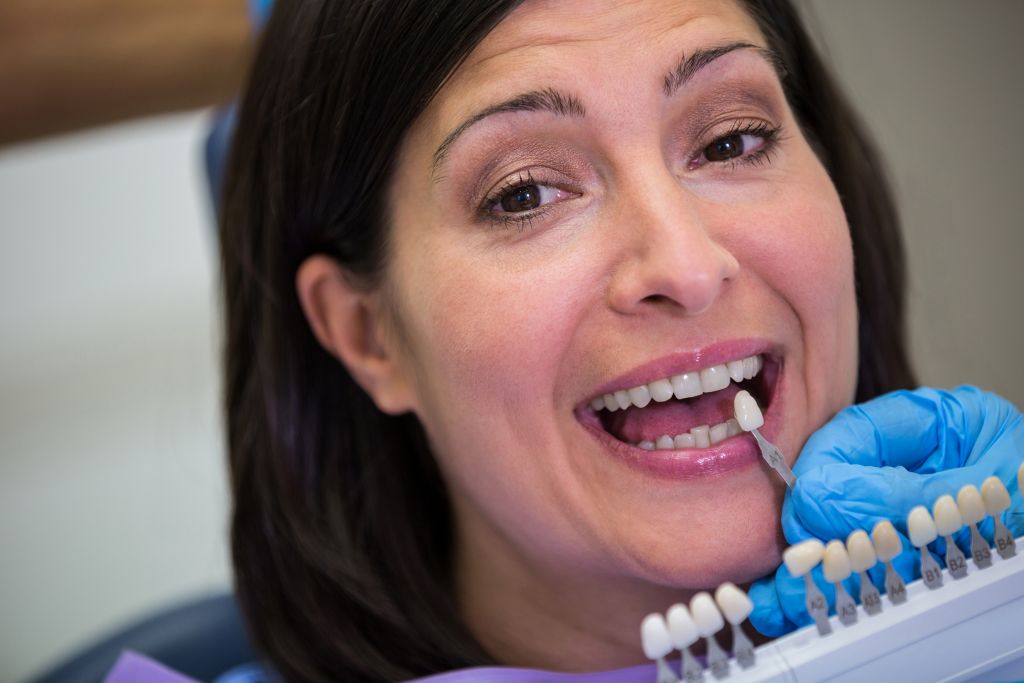
A missing tooth is more than just a gap in your smile. It can change how you speak, make chewing harder than you think, and cause your face to look different over time.
When a tooth is lost, the teeth next to it often start to tilt or move into the space left by the missing tooth. This can cause pain in your jaw or make your bite feel “off.”
Talking to a dentist near you is the best way to see if a dental bridge is right for you. These custom-made teeth are designed to look natural and act as a strong replacement for the tooth you lost.
Why Should You Consider A Bridge For Missing Teeth?
A dental bridge is a set of artificial teeth held in place by crowns on the teeth next to the gap. If you are looking for dental bridges near you, you may want something that stays in your mouth and doesn’t need to be removed at night.
Unlike dentures, a bridge is permanently glued in place. It uses the strength of your healthy teeth to support the new one. This makes your whole row of teeth stable and helps you eat and talk just like you used to.
What Are The Primary Dental Bridge Benefits For Oral Health?
Getting a bridge is excellent for your health, not just your looks. One of the main dental bridge benefits is that it stops your other teeth from moving out of place.
When teeth shift, they become harder to clean, which can lead to more cavities. A bridge also helps keep your facial shape looking natural.
Without teeth to support them, your cheeks can start to look sunken. Plus, a bridge spreads out the pressure when you chew, so your other teeth don’t get worn down or cracked from doing all the work.
What Are The Different Types Of Bridges Available?
There are a few ways a dentist can build a bridge, depending on where your missing tooth is:
- Traditional Bridge – This is the most common kind. It uses crowns on the healthy teeth on both sides of the gap to hold the new tooth.
- Cantilever Bridge – This is used when there is only one healthy tooth next to the gap, which acts as an anchor.
- Maryland Bridge – Often used for front teeth, this uses a metal or porcelain frame that is bonded to the back of the teeth next to it.
- Implant-Supported Bridge – For larger gaps, dental implants are used to support the bridge rather than your natural teeth.
What Happens During The Dental Bridge Procedure?
It usually takes two visits to get your bridge. At the first visit, the dentist prepares the “anchor” teeth by removing a tiny bit of enamel so the crowns can fit over them. They will take a scan or a mold of your mouth to send to a lab.
You’ll get a temporary bridge to wear for a week or two. At the second visit, the dentist removes the temporary bridge and fits your new, custom bridge. They will check your bite to make sure it feels comfortable before permanently gluing it in.
How Can You Ensure Your Restoration Lasts A Long Time?
Even though the bridge is made of porcelain, you still have to take care of it. Using dental bridge care tips, like flossing under the bridge, is very important.
Since you can’t floss “down” through the bridge, you use a special tool called a floss threader to get underneath it. This removes food and plaque that can get trapped near the gums.
You should also avoid biting down on complex objects, such as ice or hard candy, which could chip the bridge. Visiting your dentist for regular cleanings will help the bridge last for many years.
How Long Does It Take To Get Used To A New Bridge?
Most people feel totally normal with their new bridge after a week or two. At first, your teeth might feel a little sensitive to hot or cold drinks, but that goes away quickly.
You might also notice a slight change in how you speak for a day or two, but your tongue will adjust fast. Soon, chewing will feel balanced again, and you’ll be able to eat your favorite foods without worrying about the gap in your teeth.
Comparison: Bridge Types and How They Stay
| Bridge Type | Best For | How it Stays In |
| Traditional | Most gaps | Crowns on two teeth |
| Cantilever | Back teeth | Crown on one tooth |
| Maryland | Front teeth | Metal “wings” on the back |
| Implant-Supported | Many missing teeth | Metal posts in the jaw |
Getting Your Smile Back on Track
Fixing a missing tooth is a great way to feel better about your smile and stay healthy. A dental bridge is a simple, strong way to get back to eating and speaking with ease.
By addressing the gap now, you are ensuring your other teeth stay in the right place in the future.
At Glenmore Family Dental Care, we want to help you feel proud of your smile again. Our team is here to listen and help you choose the best fix for your needs. We make sure the process is easy and comfortable every step of the way.
If you’re ready to fill in the gap and want to learn more about how we can help, give us a call today to set up a visit.
FAQs
How long do dental bridges usually last?
If you brush and floss well, a bridge can last 10 to 15 years, and sometimes even longer.
Does it hurt to get a bridge?
No, the dentist numbs your mouth so you don’t feel anything while they are working; it feels a lot like getting a regular filling.
Can I get a bridge replaced?
Yes, if a bridge becomes old or breaks, it can be replaced as long as the teeth that hold it are still healthy.
Will people be able to tell I have a bridge?
No, the lab matches the color of the bridge to your other teeth, so it looks just like your natural smile.