
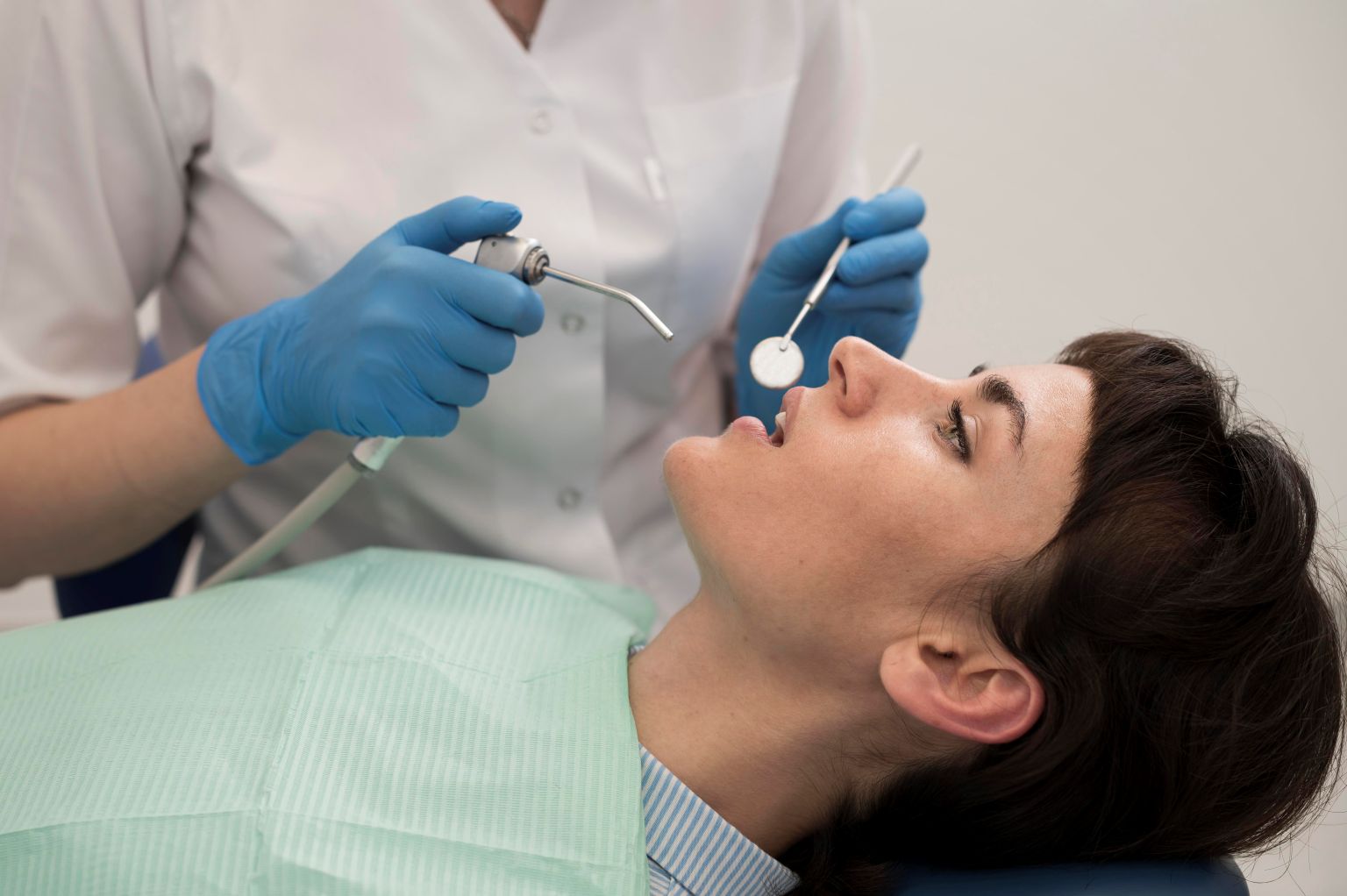
Do you fear the dentist? Are you sensitive to dental pain? You can visit a sedation dentistry near you. And you can have a stress-free experience. Dentists use sedation to help patients relax, allowing them to perform easier and safer dental procedures.
If fear or sensitivity has prevented you from visiting the dentist, knowing how sedation dentistry works can make your next visit easier and more comfortable.
What is Sedation Dentistry?
Sedation dentistry is a method that helps patients stay calm and relaxed during dental procedures. It’s ideal for:
- Patients with severe dental anxiety
- Those sensitive to pain
- Individuals requiring complex or long treatments
Unlike general anesthesia, sedation keeps you conscious but relaxed, allowing the dentist to perform care safely and efficiently.
How Sedation Reduces Dental Pain and Anxiety
Understanding how sedation reduces dental pain and anxiety is key for nervous patients:
- Calms the nervous system: Sedatives lower stress and fear during treatment.
- Reduces pain perception: Many patients feel little to no discomfort.
- Promotes smoother procedures: Relaxed muscles and reduced movement make dental work easier for both patient and dentist.
Sedation can be tailored depending on your needs, from mild oral sedatives to intravenous options for deeper relaxation.
Who Can Benefit from Sedation Dentistry for Anxious Patients
Sedation dentistry for anxious patients is recommended for:
- People with a history of traumatic dental experiences
- Children or adults with strong gag reflexes
- Patients undergoing multiple procedures at once
- Individuals with medical conditions that make stress risky
By using sedation, patients can receive necessary care without fear or discomfort.
What to Expect During a Sedation Appointment
Visiting a dentist near you for sedation is straightforward:
- Pre-appointment consultation: Your dentist evaluates your health and dental needs.
- Selecting the sedation type: Depending on anxiety levels and procedure length, the dentist chooses oral, inhaled, or IV sedation.
- Monitoring during treatment: Your vital signs are closely monitored throughout the procedure.
- Post-procedure recovery: Most patients rest briefly after treatment and can return home with minimal discomfort.
Following post-procedure instructions is important for safety and a smooth recovery.
Tips for a Comfortable Sedation Experience
- Avoid eating before your appointment if instructed.
- Bring a friend or family member for transportation if needed.
- Ask questions about the type of sedation being used.
- Follow all pre- and post-procedure guidelines carefully.
- Relax and trust your dental team; they are trained to make your experience safe and stress-free.
Unique Benefits of Sedation Dentistry
- Reduces anxiety and fear for even the most nervous patients.
- Minimizes pain during complex or lengthy dental procedures.
- Helps patients tolerate multiple treatments in one visit.
- Prevents avoidance of necessary dental care.
- Improves overall dental health by allowing consistent, stress-free treatment.
Ready for a Calm, Comfortable Dental Experience?
Don’t let fear or sensitivity prevent you from getting the care you need. Book your visit with Glenmore Family Dental Care today for gentle, professional, and personalized sedation dentistry that keeps your smile healthy and pain-free.
📍 Find Us on Google Map
FAQs
Is sedation safe for everyone?
Most healthy patients can safely receive sedation. Your dentist evaluates your medical history to choose the safest method.
Will I feel pain during the procedure?
Sedation reduces pain perception, and local anesthetics are often used for extra comfort.
How long does it take to recover from sedation?
Mild oral or inhaled sedation usually wears off within a few hours, while IV sedation may take longer.
Can children receive sedation dentistry?
Yes, many children benefit from mild sedation to stay calm during treatment.
Do I need someone to drive me home?
For certain sedation types, especially IV or stronger oral sedation, having someone accompany you is recommended.