
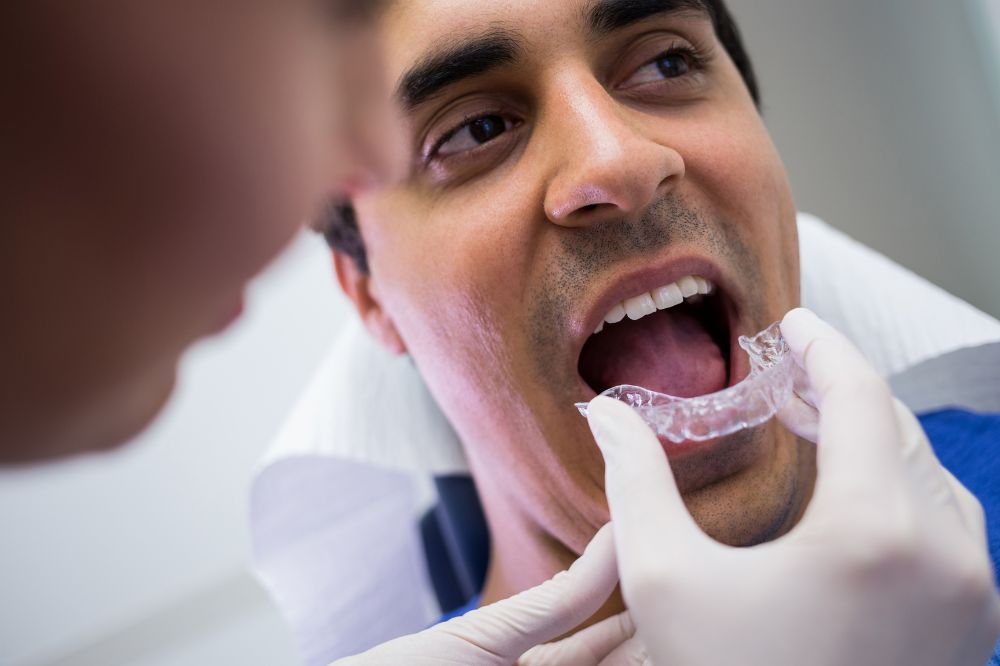
Get a new mouthguard as soon as you notice visible cracks or thin spots or if it’s not fitting properly, so that you don’t end up clenching your teeth to keep it there. Most active people need a replacement every 6 to 12 months so their teeth and jaw are fully protected while on the field. If the material of mouthguards near you feels brittle or has developed a lingering odour, it is no longer providing the hygiene or safety you need.
Why Timing Matters for Your Smile
A mouthguard is a simple tool that does a big job. It acts as a cushion for your teeth, preventing chips and protecting your lips from injury. However, just like a pair of running shoes, the material eventually wears out and loses its bounce. Visiting a professional dentist in SE Calgary is the best way to check if your current guard still meets safety standards. If the plastic has become too thin, it cannot absorb the shock of an impact, leaving your smile at risk. If you are an athlete or someone who grinds their teeth at night, finding quality mouthguards is essential for long-term health. A worn-out guard can actually cause more harm than good. If it does not sit perfectly on your teeth, it can irritate your gums or even shift your bite over time. Keeping a close eye on the condition of your equipment is the first step in avoiding expensive dental repairs later on. If you are still asking, “When to replace mouthguard?” continue reading this blog.
Top Signs You Need a New Guard
It is easy to forget about your mouthguard until something goes wrong. To stay safe, look for these common warning signs that the material is failing.
| Sign of Wear | Why is it a Problem |
| Visible Cracks | Bacteria can grow inside the cracks and cause infections. |
| Loose Fit | A guard that falls out cannot protect you during a fall. |
| Deformed Shape | If the edges are chewed or bent, it won’t cushion the impact. |
| Thin Spots | Biting through the material means there is no more padding. |
Using mouthguards for teeth protection only works if the barrier between your upper and lower teeth is solid. If you can see through the plastic in certain areas, the material has been compressed too much. This often happens to people who grind their teeth heavily during sleep or those who chew on their guard during sports breaks.
The Importance of Hygiene and Fit
Even if a mouthguard looks okay, it might be time for a change due to bacteria. Because these devices stay in a dark, moist environment, they can collect germs over time. Proper mouthguard care and maintenance involve rinsing the guard after every use and cleaning it with mild soap. However, even with the best cleaning routine, the porous material will eventually trap minerals and odours that cannot be scrubbed away. If you’ve recently had dental work, such as getting a new filling or a new bridge, your old guard may not fit well anymore. A guard should never separate their mouth and speech. If it feels tight in one area to cause wobbles in another, it’s time for a replacement. If the mouthguard is poorly fitted, it may cause jaw aches and headaches, making you less likely to wear it as often as you should.
Staying Proactive with Your Oral Health
It is a good habit to bring your mouthguard to your regular checkups. This allows a professional to inspect the thickness and the seal of the device. If you find yourself searching for a dental clinic in SE Calgary, make sure to ask about custom-fitted options. Custom guards are much safer and more comfortable than the “boil and bite” versions found in stores because they are moulded exactly to your unique tooth structure. The sport is important, but taking care of your gear is equally important. When not in use, do keep your guard in a solid, vented plastic case. This lets it dry when air-dried and stops it from being crushed in a gym bag. Avoid using hot water, as this could restructure the plastic casing to ruin the custom fit and present a safety hazard.
Protecting Your Future Smile
Oral health is an investment for life. Getting a new mouthguard makes it easy to avoid a big injury. Plus, it keeps your breath fresh. Make sure to protect your teeth, gums, and jaw from injury. A properly-fitted fresh guard is your best defence against whatever life throws at you, on the field or asleep at home. Our team at Glenmore Family Dental Care loves helping our neighbours ensure their smiles stay bright and healthy. Our expert team assists you with protective equipment selection and offers personalized care for every family member. Contact us today to make sure you have the best protection for your smile and receive the high quality of care you deserve.
FAQs:
1. How often should a child’s mouthguard be replaced?
Children usually need a new guard every six months. Because their mouths are still growing and their adult teeth are coming in, the shape of their jaw changes quickly. A guard that fits in the spring may be too small or uncomfortable in the fall season.
2. Can I use my sports mouthguard for teeth grinding at night?
It is not recommended. Sports guards are thick and designed to protect against sudden impacts, while night guards are thinner and designed to handle the constant pressure of grinding. Using the wrong type can lead to jaw joint issues or a change in your bite.
3. Is it normal for a mouthguard to smell?
Over time, saliva and bacteria can cause a smell. While regular cleaning helps, a lingering odour usually means bacteria have moved deep into the material. This is a clear sign that it is time to throw the old one away and get a fresh replacement.
4. What is the best way to clean my mouthguard?
You should rinse it with cool water after every use. Once a day, clean it gently with a soft toothbrush and non-abrasive soap. Avoid using toothpaste, as it can be too scratchy and create tiny holes where bacteria can hide.