
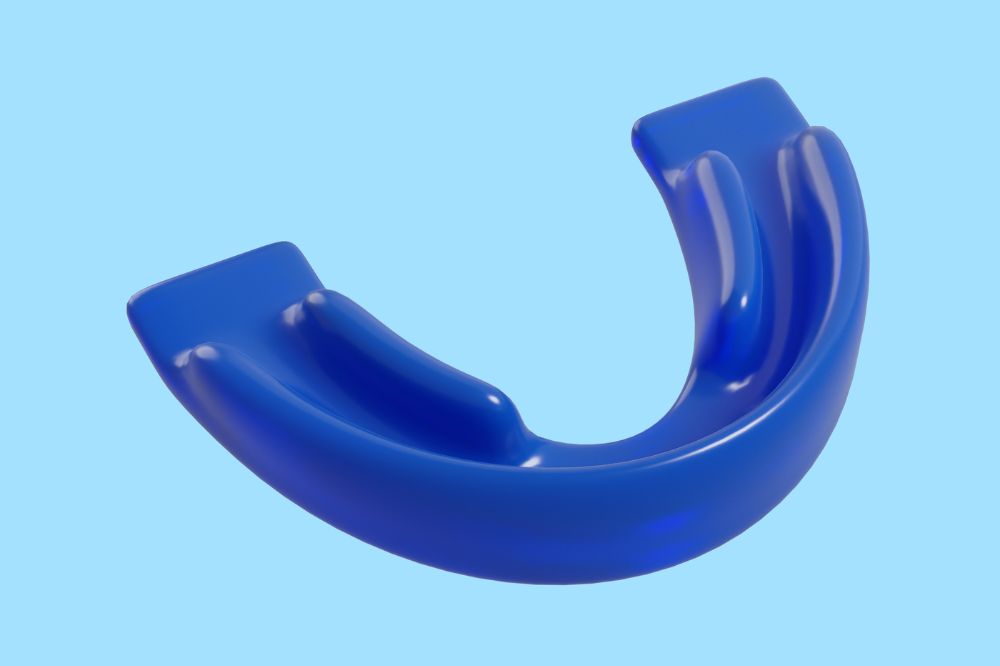
Worried about tooth injuries during sports, nighttime grinding, or accidents? Visiting a dentist near you can help protect your smile and prevent serious damage. One of the most effective ways to stay safe is by using a mouthguard. These protective devices absorb impacts and lower the risk of chipped, cracked, or lost teeth.
Why Mouthguards are Essential
Mouthguards in Calgary have become a staple for athletes, nighttime teeth grinders, and anyone at risk of dental injuries. A properly fitted mouthguard acts as a cushion between the teeth and surrounding tissues. Without this barrier, even minor impacts can cause significant damage.
Benefits of using a mouthguard include:
- Reducing the risk of broken or knocked-out teeth
- Minimizing soft tissue injuries to the lips, cheeks, and tongue
- Protecting jaw joints from excessive force
- Reducing the severity of concussions by absorbing some impact
Using a mouthguard doesn’t just protect teeth; it preserves overall oral health and prevents costly dental repairs.
Types of Mouthguards
Not all mouthguards are alike. There are different types based on how you use them and how much protection you need:
- Stock Mouthguards: Ready-made and cheap, but often uncomfortable and not very protective.
- Boil-and-Bite Mouthguards: Softened in hot water and shaped at home, giving a better fit and medium protection.
- Custom Mouthguards: Made by a dentist for the best fit, comfort, and strongest protection.
Custom mouthguards are recommended for athletes and individuals who grind their teeth at night. They provide superior comfort and durability, reducing the chances of removing them during activity.
How Mouthguards Protect Teeth
A mouthguard protects your teeth by spreading out any force from a hit or impact. This stops one tooth from taking all the pressure and helps prevent cracks or breaks.
Important points:
- Acts like a cushion during sports or accidents
- Keeps the top and bottom teeth from hitting each other
- Helps prevent tiny damage from teeth grinding over time
- Protects crowns, veneers, and bridges
Even small hits are less likely to cause big problems with a properly fitted mouthguard.
Mouthguard Care and Maintenance
Taking care of your mouthguard will prolong its life. Dirty or damaged mouthguards can become home to bacteria and won’t work effectively. Consult these guidelines.
- Wash with water thoroughly after every use.
- Gently scrub with a toothbrush, no toothpaste, so as not to abrade.
- To prevent moulding, keep it in a ventilated case.
- Inspect regularly for wear or cracks and replace when needed.
- Avoid chewing or biting the mouthguard, which weakens its structure.
Maintaining a clean and undamaged mouthguard prolongs its protective function and prevents potential oral infections.
When to Wear a Night Mouthguard
Grinding your teeth at night, called bruxism, can wear down teeth and cause jaw pain or headaches. Knowing when to use a night mouthguard helps protect your teeth and avoid long-term problems.
- Wear every night consistently to prevent micro-damage
- Use during stressful periods when grinding increases.
- Consult a dentist for a proper fit, as ill-fitting guards may worsen discomfort.
- Replace every 6–12 months, depending on wear.
Night guards are especially important for people with dental restorations, as they provide added protection to crowns and bridges.
Common Misconceptions About Mouthguards
Many people think mouthguards are uncomfortable or unnecessary. But:
- Custom mouthguards fit well and feel good.
- They help not only athletes but also people who grind their teeth.
- Mouthguards protect front teeth, back teeth, gums, and soft tissues.
- Your bite and jaw movement do not change when wearing one.
If you are aware of this information, your chances of wearing a mouthguard are often high, and your teeth will be safe.
Protect Your Smile Today!
Concerned that sports, teeth grinding, or injuries damage your teeth? Act now with a professionally fitted mouthguard. Taking precautionary measures ensures your smile remains perfect and enticing for a very long time. Take an appointment at Glenmore Family Dental Care for expert advice, custom solutions, and long-lasting protection for your unique dental needs.
FAQs
1. Can mouthguards stop all tooth injuries?
Mouthguards help a lot in protecting teeth and jaws, but they can’t prevent damage from very hard hits or serious accidents. A good fit and wearing it every time are important for the best protection.
2. How long does a mouthguard last?
How long a mouthguard lasts depends on the material, how often you use it, and how well you take care of it. Custom-made guards usually last 1–3 years. Checking them regularly and keeping them clean can make them last longer.
3. Are store-bought mouthguards as good as custom ones?
Store-bought or boil-and-bite guards give some protection, but they may not fit well, feel comfortable, or last long. Custom guards made by a dentist fit better, feel more comfortable, and stay in place during use.
4. Can kids use mouthguards safely?
Yes. Kids can wear mouthguards for sports or for teeth grinding. Custom-made guards are best because they can be adjusted as the child’s teeth grow, giving good protection and comfort.